
Storage Reimagined.
The idea of a car “running on water” has circulated for decades, often misunderstood but rooted in real science. Early experimental vehicles did not actually use water directly as a fuel; instead, they relied on splitting water into hydrogen and oxygen through a process known as Electrolysis. Once separated, the hydrogen could be used as a combustible fuel or, more efficiently, fed into a hydrogen fuel cell, where it reacts with oxygen to produce electricity, heat, and water as byproducts. In essence, water served as the source of hydrogen, not the direct energy carrier.
One of the earliest practical demonstrations of hydrogen-powered transportation can be traced back to William Grove, who developed the first fuel cell in the 19th century. His invention showed that hydrogen and oxygen could be combined electrochemically to generate electricity without combustion. Much later, experimental vehicles and prototypes explored onboard electrolysis systems, attempting to create hydrogen in real time. However, these systems faced a fundamental limitation: it takes more energy to split water than you get back from using the hydrogen, meaning an external energy source is always required. This is why “water-powered cars” were never truly self-sustaining machines.
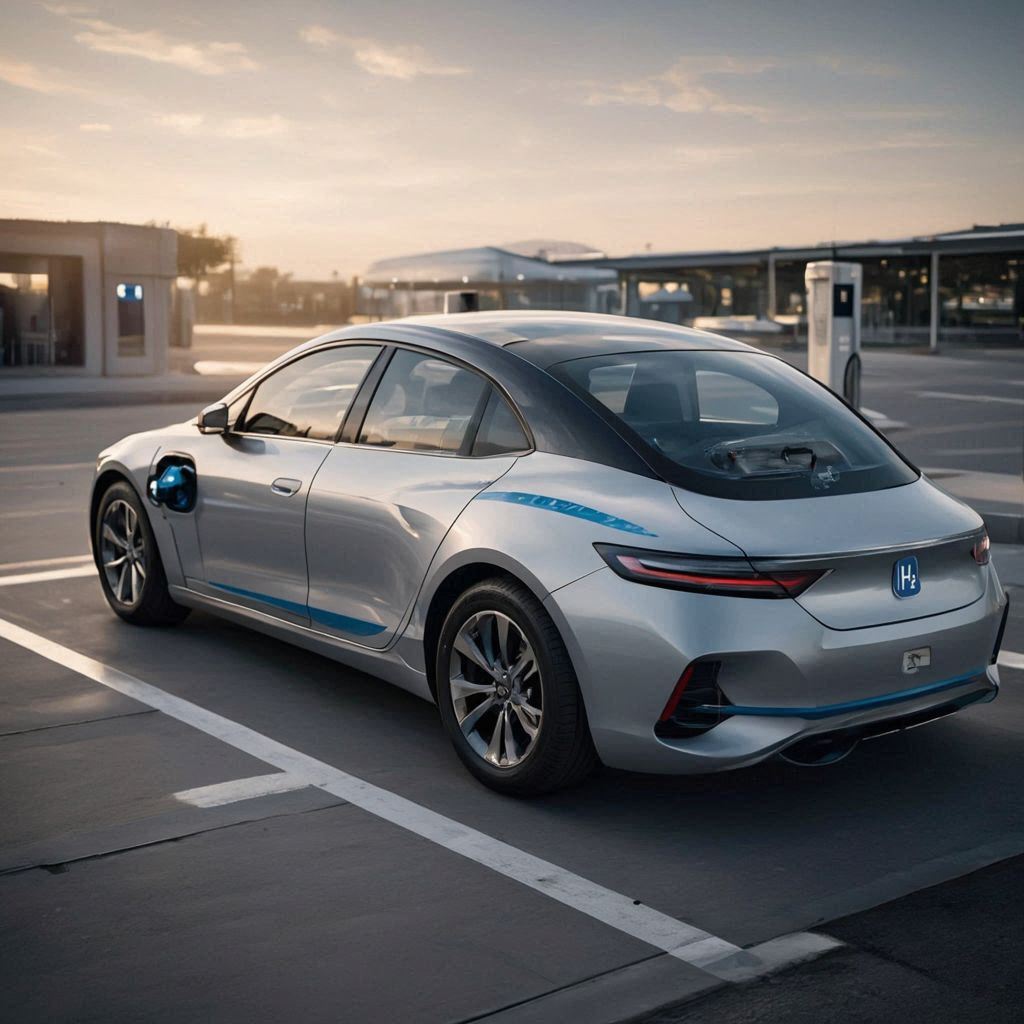
That early concept, though often misrepresented, laid the groundwork for today’s hydrogen energy systems. Modern automotive designs separate the process into stages—electricity is used to perform electrolysis, hydrogen is stored, and then converted back into electricity when needed to power the vehicle. This is the foundation of the Hydrogen Fuel Cell and the broader hydrogen energy ecosystem.
This evolution leads directly into the modern concept of a hydrogen “battery.” Unlike traditional batteries that store energy chemically and degrade over time, hydrogen systems store energy physically in the form of gas. A system like FieldCell Systems builds on this principle: water is split using available energy, hydrogen is stored without loss, and electricity is generated on demand through a fuel cell. The result is a closed-loop cycle—water to hydrogen and back to water—that transforms the old idea of a “water-powered vehicle” into a practical, scalable solution for energy storage today.
- FieldCell Systems – Open-source hydrogen energy storage system designed to replace disposable battery infrastructure with modular, repairable, and long-duration power storage for homes, farms, and microgrids. AGPLv3