
Powering the Next Generation of Movement
The origin of PathCore AI began with a simple but increasingly frustrating experience: trying to navigate across the country using modern mapping systems that felt more complicated than the problem they were supposed to solve. Route changes often required digging through different menus depending on the platform, vehicle system, or mobile app being used. What should have been a single, natural action—“take a different route”—was fragmented into multiple steps, toggles, and interface-specific behaviors. The idea emerged that navigation should not depend on the interface at all, but instead respond directly to voice, intent, and context.
That frustration deepened when dealing with real-world driving needs, particularly when asking for essential stops like fuel or charging stations. Instead of prioritizing proximity or urgency, some systems would surface sponsored or promoted locations first, even in situations where safety and immediacy mattered more than advertising. The experience highlighted a fundamental conflict: when navigation is influenced by paid placement rather than actual need, the system stops serving the driver and starts serving external incentives. In scenarios where a vehicle issue or low fuel condition exists, that kind of prioritization is not just inconvenient—it can be unsafe.
From that realization came the core philosophy behind PathCore AI: navigation should never be influenced by monetization when safety or utility is at stake. The system was envisioned as an open-source alternative where location data remains private, and all routing decisions are based strictly on relevance, context, and user intent—not advertising models or platform restrictions. Voice-driven interaction became central to this vision, removing the need to navigate inconsistent menus across different systems and allowing users to simply ask for what they need in natural language.
The first public post outlining the PathCore AI concept was made on June 29, 2025, marking the transition from frustration to formal design. It established the foundation for a system that treats navigation as a conversational intelligence layer rather than a static mapping tool. From that point forward, the goal became clear: build an open, transparent, and privacy-respecting navigation engine that restores control to the traveler, regardless of platform, vehicle, or ecosystem.
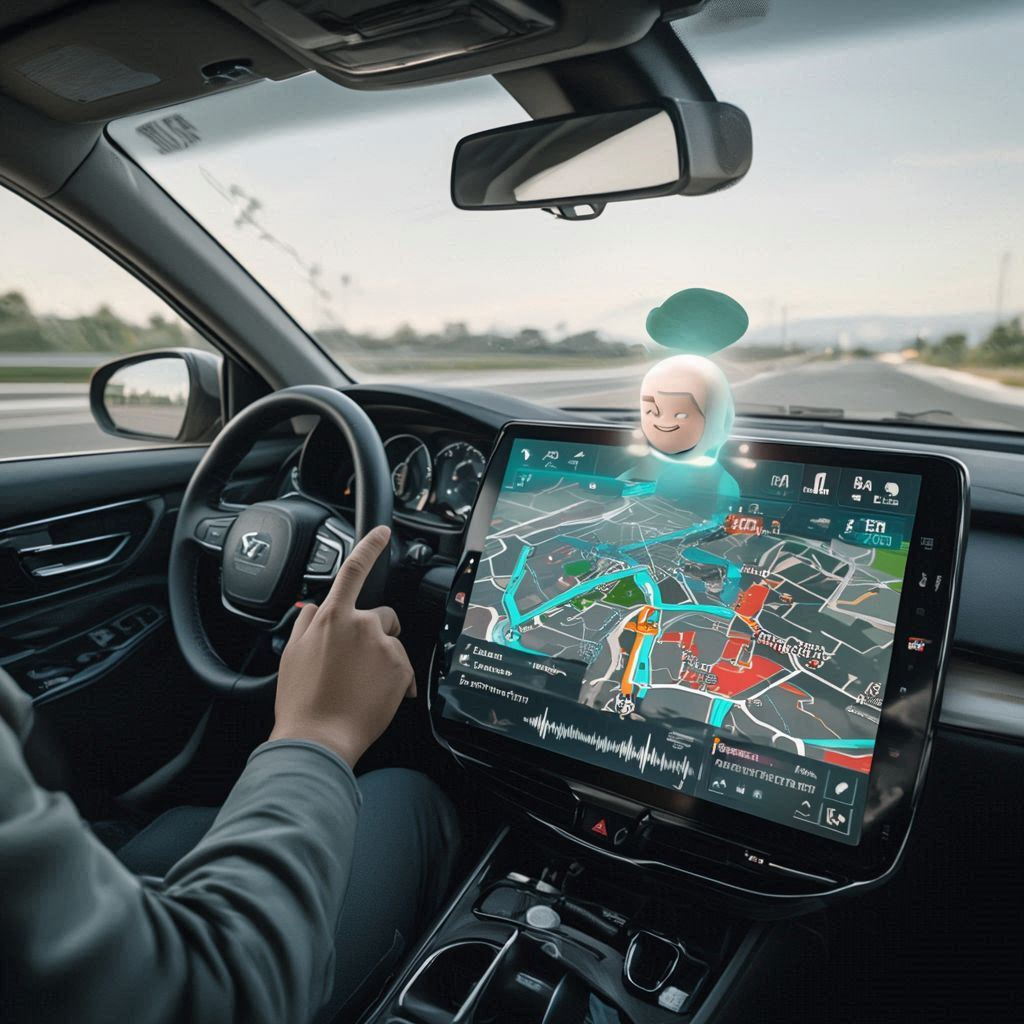
- PathCore AI — An open-source, voice-driven navigation intelligence system that delivers conversational, privacy-first, predictive routing and integrates with any smart vehicle AI platform.