
Build once. Never be trapped again.
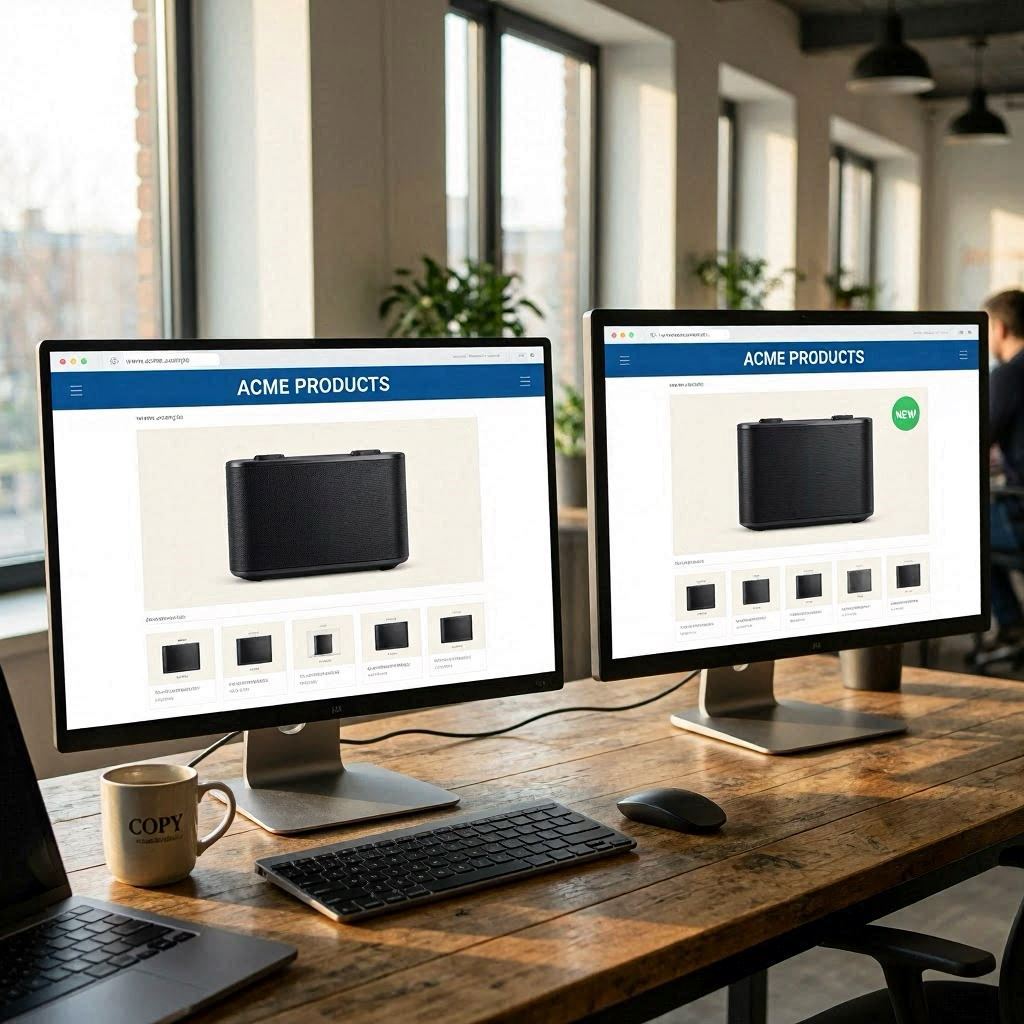
OpenReplica is an open-source platform designed to give users full control over the websites they interact with and build. Instead of relying on closed, subscription-based website builders that restrict exportability and ownership, OpenReplica allows users to replicate live websites into clean, self-contained projects they can edit, host, and extend freely. The goal is to restore true digital ownership by making websites portable from the moment they are created.
At its core, OpenReplica focuses on fast and accurate website replication. It captures structure, styling, assets, and interactive behavior, then reconstructs them into a usable project format. This includes support for multi-page sites, modern single-page applications, and complex layouts. The system also preserves responsive behavior, navigation structures, and media assets while offering intelligent cleanup tools that remove unnecessary scripts, trackers, and platform-specific bloat.
Beyond replication, OpenReplica includes a powerful set of transformation and optimization features. Users can export projects into multiple formats such as static HTML or modern frameworks like React, Vue, and Svelte. Built-in analysis tools detect frameworks, CMS usage, SEO structure, and performance bottlenecks, helping users understand and improve what they’ve cloned. A visual editing layer allows sections of a site to be extracted, rearranged, or reused without locking users into a proprietary builder environment.
The project is built with a privacy-first and local-first philosophy. It runs without required accounts, avoids unnecessary cloud dependency, and ensures that all output remains fully user-owned and portable. Combined with a plugin-friendly architecture and support for automation, OpenReplica is designed not just as a tool, but as a foundation for a more open and user-controlled web.
This specification is released under the GNU Affero General Public License v3.0 or later (AGPL-3.0+) and may be used freely with required attribution under Section 7. A Specification Branding License is available for attribution-free deployments, with fees based on usage, scope, and deployment size.
Specification Repository:
- OpenReplica – An open-source tool that lets users instantly replicate, clean, and export websites into fully portable, self-owned projects without subscription lock-in or proprietary restrictions.
Specification Pricing:
| Network Size | # of Users | One-Time Price | Duration |
| Small | 1 – 20 | $900,000 | Perpetual License |
| Medium | 21- 1000 | $7,000,000 | Perpetual License |
| Large | 1001 + | Custom Quote | Custom Quote |

The initial design of OpenReplica was publicly posted on Substack, February 7, 2026 under the MIT license, reflecting an early focus on simplicity, accessibility, and rapid experimentation. This initial release established the core idea of instant website replication and portable exports without restrictive platform dependencies. As the project matured and expanded in scope—introducing deeper replication capabilities, cleanup systems, and a broader architecture for extensibility—it transitioned to the GNU AGPL 3.0+ license. This change aligned the project more closely with its evolving goals of ensuring long-term user freedom, preserving source transparency in network-deployed versions, and strengthening protections against proprietary lock-in as new features were introduced.