Home / MysteryWeaver / MysteryWeaver Specification
MysteryWeaver
Decode, Discover, Deliver Justice.
Overview
MysteryWeaver is a cooperative, two-player adventure and simulation game that combines artificial intelligence, technology, mystery solving, investigative reasoning, linguistics, exploration, and creative problem-solving. Players assume the roles of two complementary investigators who work together to uncover hidden truths, solve extraordinary mysteries, and expose waste, fraud, corruption, and deception.
Inspired by the inventive ingenuity of Inspector Gadget and the investigative brilliance of Nancy Drew, MysteryWeaver brings together technological innovation and intellectual discovery. One player specializes in inventing, crafting, engineering, and developing advanced investigative gadgets, while the other specializes in deduction, linguistics, cryptography, historical research, and identifying patterns that others overlook.
The game features AI-assisted storytelling, procedurally generated quests, interactive characters, immersive environments, and mysteries inspired by real-world unsolved events. Clues can be hidden anywhere, from ancient manuscripts and forgotten artifacts to financial records, digital communications, scientific discoveries, and environmental data.
MysteryWeaver aims to create an evolving investigative universe where two players combine their abilities to explore the unknown, challenge assumptions, connect seemingly unrelated information, and deliver justice.
Core Objectives
- Create an immersive cooperative two-player investigative adventure.
- Combine technology, invention, linguistics, and deductive reasoning.
- Incorporate mysteries inspired by real-world historical events and unsolved questions.
- Use artificial intelligence to generate dynamic stories, quests, characters, and visual experiences.
- Provide interactive environments filled with clues, puzzles, discoveries, and hidden information.
- Enable players to invent, craft, customize, and upgrade investigative technologies.
- Simulate investigations involving waste, fraud, corruption, environmental crimes, and institutional misconduct.
- Encourage critical thinking, scientific reasoning, and evidence-based conclusions.
- Support an expandable universe of community-created mysteries and adventures.
- Make every investigation an opportunity for learning, discovery, and exploration.
Core Modules
Cooperative Gameplay
- Dedicated two-player cooperative gameplay with complementary character abilities.
- Online multiplayer and local cooperative play.
- Shared quests requiring collaboration between both characters.
- Individual character inventories, abilities, skills, and progression.
- Shared investigation journals, evidence boards, maps, and case files.
- Real-time communication and collaborative decision-making.
- Independent investigations that converge into larger mysteries.
- Cooperative puzzles requiring both characters to contribute.
- Simultaneous investigations across different locations.
- Shared achievements and mission completion records.
- Multiple approaches to solving each quest.
- Branching narratives influenced by player decisions.
- Multiple endings based on discoveries and investigative outcomes.
- Adaptive difficulty based on player experience.
- Optional solo gameplay with an AI-controlled companion.
Character and Progression System
- Two primary playable characters with distinct personalities and specialized abilities.
- Independent character development and progression.
- Character-specific skill trees.
- Unlockable investigative techniques.
- Specialized equipment and abilities.
- Character customization and appearance options.
- Experience and achievement systems.
- Individual and shared inventory management.
- Character relationships and narrative development.
- Progression through increasingly complex investigations.
- Unlockable gadgets, tools, and investigative capabilities.
Inventor and Technology Engineering
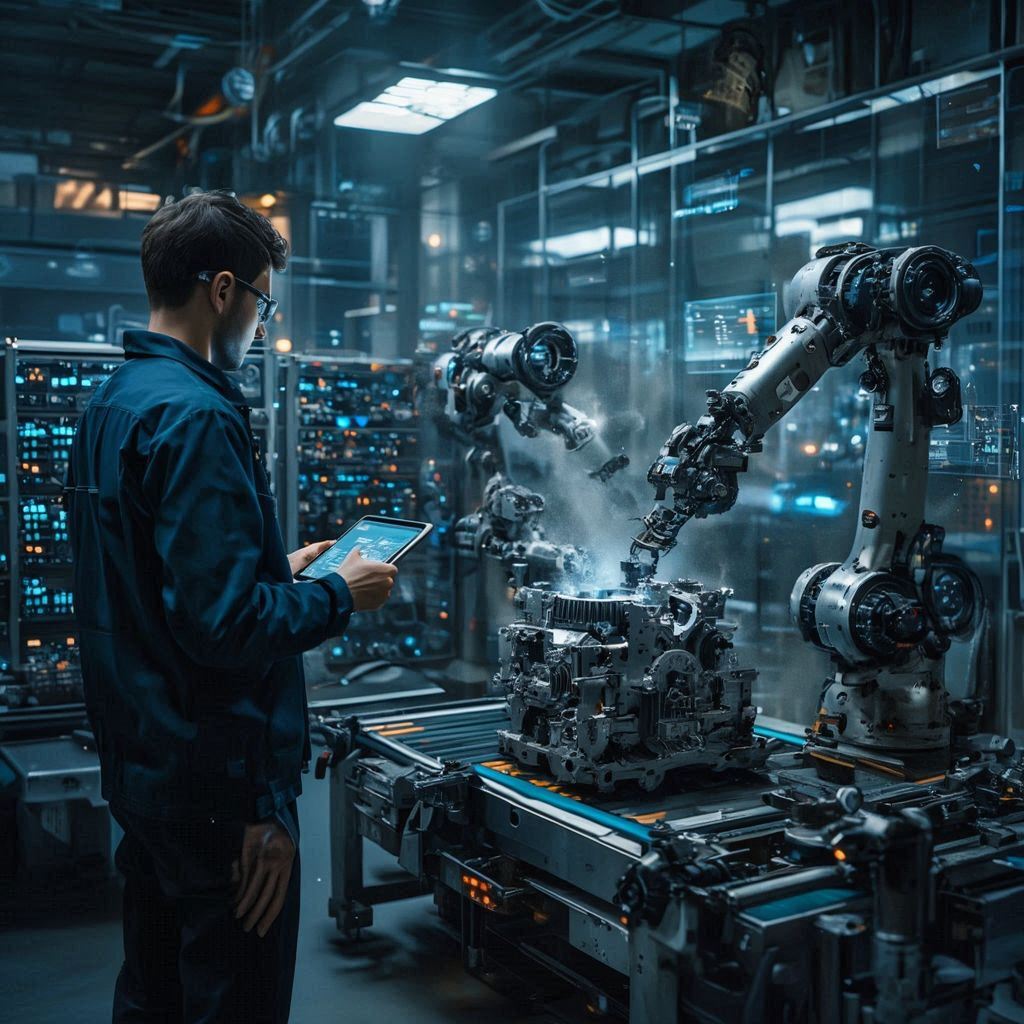
The Inventor specializes in engineering, robotics, technology, and creative problem-solving. His abilities allow players to transform ordinary objects, recovered materials, and available resources into extraordinary investigative tools.
- Build and customize investigative gadgets.
- Invent robotic assistants and autonomous devices.
- Construct miniature drones for aerial exploration.
- Develop underwater exploration equipment.
- Create robotic arms and mechanical extensions.
- Build portable laboratories and mobile workstations.
- Develop signal detectors and communication devices.
- Construct electromagnetic and environmental sensors.
- Create portable scanning and imaging equipment.
- Develop encryption and decryption devices.
- Build specialized computer systems for data analysis.
- Create devices that reveal hidden messages and invisible markings.
- Repair broken machinery and restore abandoned technology.
- Reverse-engineer mysterious devices and ancient inventions.
- Combine ordinary objects into innovative solutions.
- Discover blueprints and unlock advanced inventions.
- Upgrade existing gadgets with additional capabilities.
- Develop portable fabrication and 3D printing systems.
- Build AI-powered robotic companions.
- Construct specialized vehicles and exploration equipment.
- Experiment with new technologies and unconventional inventions.
Investigator and Deductive Reasoning
The Investigator specializes in research, linguistics, cryptography, historical analysis, behavioral interpretation, and identifying relationships between seemingly unrelated discoveries.
- Examine physical and digital evidence.
- Identify inconsistencies in statements and documentation.
- Analyze handwriting, typography, and document structures.
- Identify linguistic patterns and unusual word choices.
- Detect coded messages and hidden communications.
- Analyze historical documents and manuscripts.
- Identify relationships between people, organizations, and events.
- Recognize behavioral and communication patterns.
- Investigate historical timelines and conflicting accounts.
- Identify anomalies in financial records.
- Analyze contracts, invoices, and transaction histories.
- Detect misleading narratives and contradictory evidence.
- Investigate cultural references, symbols, and historical languages.
- Translate unfamiliar languages and ancient scripts.
- Apply cryptography and advanced deductive reasoning.
- Connect seemingly unrelated clues.
- Build timelines and relationship maps.
- Identify missing information and unexplained inconsistencies.
- Develop competing theories and test hypotheses.
- Maintain comprehensive investigative journals.
AI Mystery Generation and Storytelling
- AI-generated original mysteries and investigative scenarios.
- Dynamic quest generation based on player discoveries.
- Procedurally generated characters, locations, and storylines.
- AI-generated historical and fictional narratives.
- Adaptive clues that respond to player investigations.
- AI-generated documents, letters, recordings, and artifacts.
- Dynamic dialogue with non-player characters.
- AI-generated witness interviews and testimony.
- Multiple possible explanations for discovered evidence.
- AI-generated visual reconstructions of historical events.
- Cinematic representations of investigative discoveries.
- AI-generated environments, landscapes, buildings, and interiors.
- Interactive storytelling with branching narratives.
- AI-generated puzzles and challenges.
- Context-aware NPC personalities and dialogue.
- AI-assisted case analysis and investigative summaries.
- Persistent story continuity across quests.
- Personalized quest recommendations.
- AI-generated side quests and hidden discoveries.
- Community-created mystery templates.
- Dynamic narrative adjustments based on player decisions.
Linguistics and Communication Intelligence
- Natural language processing.
- Semantic analysis and contextual interpretation.
- Authorship and writing-style comparisons.
- Stylometric analysis.
- Word frequency and phrase-pattern identification.
- Contradiction and inconsistency detection.
- Sentiment and contextual language analysis.
- Multilingual text interpretation.
- Historical language translation.
- Ancient script recognition.
- Cipher and substitution-code analysis.
- Hidden-message identification.
- Metadata and document provenance analysis.
- Cross-document comparison.
- Entity and relationship extraction.
- Voice transcription and linguistic comparison.
- Identification of repeated phrases and unusual terminology.
- AI-assisted interpretation of ambiguous communications.
- Historical and cultural context analysis.
- Linguistic relationship mapping.
Investigation and Evidence Management
- Central investigation management system.
- Hidden clues embedded throughout environments.
- Interactive objects and environmental storytelling.
- Digital evidence and physical artifacts.
- Audio recordings and intercepted transmissions.
- Hidden passages and secret compartments.
- Visual anomalies and altered images.
- Document metadata and embedded information.
- Geographic coordinates and location clues.
- Symbol recognition and pattern matching.
- Connections between seemingly unrelated discoveries.
- Evidence collection and categorization.
- Evidence authenticity and reliability indicators.
- Evidence chain-of-custody tracking.
- Contradictory evidence identification.
- Interactive investigation boards.
- Clue dependency and discovery trees.
- Evidence cross-referencing.
- Optional hints and investigative guidance.
- Hidden quests triggered by unusual discoveries.
- Investigation timelines and relationship diagrams.
- Case summaries and final investigative reports.
Real-World Mysteries and Historical Research
MysteryWeaver incorporates real-world mysteries and historical discoveries as inspiration for investigative adventures. Players can explore historical questions, examine competing explanations, and reconstruct events through interactive scenarios.
- Lost civilizations and ancient societies.
- Archaeological discoveries.
- Unexplained historical artifacts.
- Ancient engineering and technological achievements.
- Historical disappearances.
- Maritime mysteries and shipwrecks.
- Unidentified historical manuscripts.
- Unexplained astronomical observations.
- Ancient astronomical knowledge.
- Unsolved scientific questions.
- Mysterious geographical discoveries.
- Historical codes and encrypted communications.
- Unexplained structures and monuments.
- Environmental and geological mysteries.
- Forgotten technologies and historical inventions.
- Lost treasures and historical expeditions.
- Scientific anomalies and competing hypotheses.
- Historical investigations involving conflicting accounts.
- Mystery campaigns inspired by documented events.
Real-world investigations must distinguish verified facts, documented allegations, disputed claims, theories, and fictionalized gameplay. AI-generated interpretations must not be presented as established historical facts.
Waste, Fraud, and Corruption Investigations
MysteryWeaver incorporates investigative scenarios designed to expose misconduct, identify irregularities, and demonstrate how technology and analytical reasoning can uncover hidden relationships.
Financial Investigations
- Identify suspicious financial transactions.
- Investigate accounting inconsistencies.
- Detect duplicate payments and invoices.
- Identify unusual spending patterns.
- Investigate procurement fraud.
- Examine shell companies and corporate relationships.
- Identify conflicts of interest.
- Trace fictional money flows through interconnected organizations.
- Analyze public financial records.
- Investigate fraudulent investment schemes.
- Examine financial statements and supporting documentation.
- Identify discrepancies between reported and actual activity.
Government and Institutional Accountability
- Investigate misuse of public funds.
- Examine government contracts and procurement.
- Identify suspicious relationships between organizations.
- Investigate regulatory failures.
- Analyze lobbying and influence networks.
- Examine public disclosures and institutional records.
- Identify inconsistencies in official statements.
- Reconstruct complex corruption investigations.
- Examine conflicts between policies and documented actions.
Environmental Investigations
- Investigate illegal dumping.
- Identify pollution sources.
- Track fictional waste disposal networks.
- Investigate environmental reporting fraud.
- Examine resource exploitation.
- Investigate illegal deforestation and wildlife trafficking.
- Analyze environmental monitoring data.
- Discover opportunities to recover and reuse discarded materials.
- Investigate environmental damage and restoration opportunities.
Corporate and Organizational Investigations
- Investigate fraudulent reporting.
- Examine deceptive business practices.
- Identify supply-chain irregularities.
- Investigate counterfeit products.
- Detect manipulated data and misleading claims.
- Examine corporate ownership relationships.
- Uncover fictional corporate misconduct networks.
- Investigate organizational conflicts of interest.
World Exploration and Simulation
- Large interconnected exploration environments.
- Cities, villages, forests, mountains, deserts, and oceans.
- Abandoned facilities and industrial complexes.
- Ancient ruins and archaeological sites.
- Laboratories, archives, libraries, and museums.
- Underground networks and hidden locations.
- Historical environments reconstructed for quests.
- Dynamic weather and environmental conditions.
- Day and night cycles.
- Interactive environmental objects.
- Physics-based object interactions.
- Hidden locations and secret discoveries.
- Environmental restoration missions.
- Exploration vehicles and transportation.
- Fast travel between discovered locations.
- Persistent world changes based on player actions.
- Location-specific quests and discoveries.
- Dynamic environmental storytelling.
Technology, Science, and Exploration
- Computer systems and network exploration.
- Robotics and automation.
- Artificial intelligence research.
- Cryptography and cybersecurity puzzles.
- Satellite imagery interpretation.
- Geographic information systems.
- Scientific experimentation.
- Physics-based puzzles.
- Chemistry and material identification.
- Biological and ecological investigations.
- Astronomy and space exploration.
- Geology and underwater exploration.
- Sensor-based environmental analysis.
- Digital forensics simulations.
- Advanced simulation laboratories.
- Experimental technology development.
- Scientific hypothesis testing.
- Interactive research challenges.
Crafting, Resource Recovery, and Sustainability
- Collect materials throughout the world.
- Recover discarded components and equipment.
- Recycle and repurpose materials.
- Build gadgets from recovered resources.
- Repair and upgrade equipment.
- Develop sustainable technologies.
- Establish portable fabrication stations.
- Create specialized investigative equipment.
- Discover rare materials and components.
- Develop renewable energy systems.
- Restore damaged environments.
- Convert waste into useful resources.
- Unlock advanced crafting blueprints.
- Trade recovered materials and inventions.
- Build collaborative technology projects.
- Develop specialized recycling and recovery systems.
AI Characters and Interactive Storytelling
- Intelligent NPCs with contextual dialogue.
- AI-driven witnesses and informants.
- Dynamic character relationships.
- Distinct character personalities and motivations.
- Interactive interviews.
- Dialogue choices that influence investigations.
- NPC memory of previous interactions.
- Character-specific knowledge and secrets.
- AI-generated side characters.
- Dynamic world events.
- Multiple narrative perspectives.
- Storyline continuity across multiple quests.
- AI-generated cinematic sequences.
- Voice-enabled character interactions.
- Optional text-only dialogue.
- AI-generated character backstories.
- Adaptive dialogue based on discovered evidence.
Audio, Visuals, and Immersion
- AI-assisted environment generation.
- Procedural 3D world creation.
- Cinematic storytelling sequences.
- Animated character expressions.
- Dynamic lighting and atmospheric effects.
- Environmental soundscapes.
- Original game soundtrack.
- Spatial audio.
- Voice acting and synthesized dialogue options.
- Interactive holographic interfaces.
- Visual evidence reconstruction.
- Historical scene recreation.
- Customizable character appearances.
- Gadget animations and visual effects.
- In-game photography and discovery snapshots.
- Dynamic music responding to investigation intensity.
- Visual effects for discoveries and investigative breakthroughs.
Investigation Management and Progression
- Individual and shared quest journals.
- Investigation progress tracking.
- Evidence databases.
- Character skill trees.
- Technology invention progression.
- Linguistics and deduction progression.
- Gadget customization.
- Unlockable investigative techniques.
- Experience and achievement systems.
- Case difficulty ratings.
- Investigation completion summaries.
- Discoveries archive.
- Historical knowledge encyclopedia.
- Replayable investigations.
- Multi-stage investigations spanning several environments.
- Long-running mystery campaigns.
- Quest history and discovery tracking.
- Optional investigation statistics.
Multiplayer Collaboration
- Synchronized two-player exploration.
- Shared interactive environments.
- Character-specific investigative tools.
- Cooperative puzzle solving.
- Simultaneous multi-location investigations.
- Shared evidence collection.
- Collaborative crafting.
- Joint decision-making.
- Asymmetric puzzles requiring both characters.
- Real-time clue sharing.
- Shared quest objectives.
- Cooperative achievements.
- Optional community mystery challenges.
- Shared progression and campaign continuity.
Educational and Knowledge Discovery
- Learn practical cryptography concepts.
- Explore historical civilizations.
- Learn linguistics and language analysis.
- Understand financial fraud detection.
- Explore environmental science.
- Learn basic robotics and engineering concepts.
- Understand data analysis and visualization.
- Explore scientific reasoning.
- Practice critical thinking.
- Learn source evaluation and evidence verification.
- Distinguish facts, hypotheses, and speculation.
- Explore historical documents and primary sources.
- Understand how misinformation and manipulation work.
- Discover connections between science, history, technology, and society.
Optional Plugin Modules
MysteryWeaver supports an extensible plugin system that allows additional capabilities, investigative disciplines, content types, and integrations to be introduced independently of the core gameplay experience.
AI Model Integration Plugin
- Connect locally hosted language models.
- Integrate optional cloud-based AI services.
- Configure different models for storytelling, reasoning, and analysis.
- Support model switching and configuration.
- Provide AI-assisted quest generation.
- Enable contextual narrative memory.
- Support model-specific capabilities and settings.
- Allow players to configure AI usage and service preferences.
AI Image and Visual Generation Plugin
- Generate original character artwork.
- Create environmental concept art.
- Generate historical scene reconstructions.
- Produce visual clues and fictional artifacts.
- Generate cinematic story illustrations.
- Create custom quest imagery.
- Support configurable image generation providers.
- Integrate community-created visual assets.
Advanced 3D World Generation Plugin
- Generate procedural environments.
- Create interactive buildings and interiors.
- Generate archaeological sites and ancient ruins.
- Build dynamic landscapes.
- Create underground exploration areas.
- Generate environmental objects and structures.
- Support custom world-generation rules.
- Enable community-created environments.
Voice and Speech Intelligence Plugin
- Voice recognition and transcription.
- Speech-to-text investigation tools.
- Text-to-speech character dialogue.
- Voice-controlled gameplay interactions.
- Audio clue analysis.
- Voice-based NPC conversations.
- Multilingual speech recognition.
- Optional voice identification puzzles using fictional characters.
Advanced Linguistics Plugin
- Advanced authorship analysis.
- Historical language interpretation.
- Multilingual translation.
- Semantic relationship mapping.
- Advanced stylometric analysis.
- Cross-language pattern recognition.
- Advanced cryptographic challenges.
- Historical manuscript analysis.
Digital Forensics Plugin
- Simulated computer investigations.
- File metadata analysis.
- Digital evidence recovery.
- Image authenticity puzzles.
- Network traffic analysis simulations.
- Log file investigations.
- Data correlation.
- Simulated cybersecurity investigations.
- Evidence provenance analysis.
Financial Intelligence Plugin
- Financial transaction analysis.
- Accounting anomaly detection.
- Procurement investigation scenarios.
- Corporate ownership relationship mapping.
- Financial document interpretation.
- Public financial data analysis.
- Fraud detection simulations.
- Interactive financial investigation challenges.
Environmental Intelligence Plugin
- Environmental monitoring simulations.
- Pollution tracking.
- Waste management investigations.
- Ecosystem restoration missions.
- Resource recovery simulations.
- Environmental data visualization.
- Sustainability challenges.
- Climate and geological investigation scenarios.
Historical Archive Plugin
- Expanded historical mystery collections.
- Digital manuscript archives.
- Historical maps and documents.
- Archaeological discovery databases.
- Historical timeline reconstruction.
- Cultural and linguistic research.
- Source-linked historical investigations.
- Community-submitted historical mysteries.
Astronomy and Space Exploration Plugin
- Celestial observation puzzles.
- Astronomical pattern recognition.
- Planetary exploration.
- Space mission simulations.
- Satellite data interpretation.
- Historical astronomical mystery investigations.
- Interactive cosmic discoveries.
- Scientific hypothesis challenges.
Community Quest Workshop Plugin
- Create custom investigations.
- Design branching narratives.
- Build custom puzzles and clues.
- Create fictional characters and organizations.
- Develop custom environments.
- Share community-created quests.
- Publish downloadable mystery campaigns.
- Rate and review community content.
- Collaborate on large investigative storylines.
- Support community moderation and content review.
Modding and Extension Plugin
- Custom character abilities.
- New gadgets and inventions.
- Custom crafting recipes.
- Additional investigative disciplines.
- New NPC behaviors.
- Custom world events.
- Additional quest types.
- Community-developed gameplay extensions.
- Configurable game rules.
- Extensible content definitions.
Additional Multiplayer Plugin
- Community-hosted multiplayer environments.
- Extended cooperative campaigns.
- Group investigation challenges.
- Community mystery competitions.
- Shared discovery events.
- Additional cooperative gameplay modes.
- Custom multiplayer scenarios.
Accessibility and Localization Plugin
- Multiple language support.
- Configurable subtitles.
- Adjustable text sizes.
- Color accessibility options.
- Alternative input methods.
- Customizable controls.
- Audio descriptions.
- Difficulty customization.
- Additional accessibility settings.
Specification Branding License (SBL)
Standard
- Fully AGPL-3.0+ compliant system.
- Copyleft enforced for network deployments.
- Required attribution:
- Roxanne Ardary
- https://www.roxanneardary.com/
Optional
- Specification Branding License (SBL)
- Attribution-free commercial deployment.
- Pricing based on scale, usage, and deployment scope.
- https://roxanneardary.com/mysteryweaver/
License & Notice Requirements
MysteryWeaver is released under the GNU Affero General Public License v3.0 or later (AGPL-3.0+).
By contributing to any Open Arsenal project, you agree that your contributions will also be released under this license.
Please note the following:
- All contributions must comply with the AGPL-3.0+ terms.
- Under Section 7 of the license, all redistributions, forks, and derivative works must preserve attribution to: Roxanne Ardary and roxanneardary.com.
- MysteryWeaver specifications are free to use with attribution. A Specification Branding License can be negotiated upon request.
- The project’s notice.md file tracks attribution requirements and contributor acknowledgments. Any update that adds new contributors or modifies attribution should also update
notice.md. - When submitting a pull request, ensure that any new files maintain the attribution headers where applicable.
- Network-deployed versions of this software must also remain fully AGPL-3.0+ compliant, including exposure of source code modifications when applicable under the license.
For full legal details, please refer to the AGPL-3.0+ license and the project’s notice.md file.
Notice – MysteryWeaver
Attribution Requirement: Under Section 7 of the AGPL 3.0+ license, all redistributions, forks, and derivative works, including network-deployed versions of this project, must provide attribution to Roxanne Ardary and roxanneardary.com.
Contributors
This file tracks contributors and their specific contributions to the project.
- Roxanne Ardary, roxanneardary.com – October 31, 2026
Created the repository for MysteryWeaver. Developed the original game concept, defining its cooperative two-player gameplay, AI-powered mystery generation, technology crafting, investigative systems, linguistic analysis, and mission to expose waste, fraud, and corruption. - Add other contributors here – [Date]
[Describe contribution in one sentence]
License – MysteryWeaver
This repository is licensed under the GNU Affero General Public License v3.0 or later (AGPL-3.0+).
Key Points:
- You are free to use, modify, and distribute the code.
- All redistributions, forks, and derivative works or network-deployed versions must also be licensed under AGPL-3.0+ and provide attribution to Roxanne Ardary and roxanneardary.com as required under Section 7 of the license.
- The software is provided “as is,” without warranty of any kind.
For the full license text, see GNU AGPL-3.0 License.