Every town, city, and state is rapidly approaching a turning point where artificial intelligence is no longer optional infrastructure, it is as essential as roads, water systems, and electricity. The question is not whether local governments will rely on AI, but whether they will build that foundation in a way that is transparent, cost-effective, and sustainable. Prioritizing open source infrastructure gives jurisdictions direct control over the systems that increasingly shape public services, from transportation and utilities to healthcare access and emergency response.
Proprietary, closed systems often lock municipalities into expensive long-term contracts, where upgrades, integrations, and even basic data access come at a premium. By contrast, open source AI infrastructure allows governments to collaboratively develop, audit, and improve their systems without vendor dependency. This not only increases transparency and public trust, but also dramatically reduces redundant spending. When one city builds a solution for traffic optimization or public records automation, that same framework can be reused, adapted, and improved by others, turning isolated investments into shared national assets.
There is also a financial argument that’s difficult to ignore. Taxpayer dollars are frequently spent on duplicative software systems across jurisdictions that solve nearly identical problems. Open ecosystems eliminate this inefficiency by creating interoperable, reusable components. Over time, this can save millions, if not billions, by reducing licensing fees, minimizing vendor lock-in, and enabling competitive local innovation instead of outsourced dependency.
Equally important is the role of human-in-the-loop (HITL) protocols and safety oversight within these systems. Open source development makes it far easier to embed accountability, auditability, and ethical safeguards directly into AI workflows. Local governments can ensure that decision-making systems remain aligned with community values, rather than opaque corporate priorities. This becomes especially critical in areas like law enforcement tools, zoning decisions, and social services, where fairness and explainability are non-negotiable.
Ultimately, building open source AI infrastructure is not just a technical decision, it is a governance strategy. It empowers municipalities to own their digital future, collaborate across borders, and deliver better services at lower cost. In an era where AI will shape everything from budgeting to public safety, choosing openness is one of the most practical ways to protect both taxpayers and democratic accountability.
All specifications are released under the GNU Affero General Public License v3.0 or later (AGPL-3.0+) and are available for free use, provided the attribution requirements under Section 7 of the license are maintained. Organizations that require attribution-free deployment may obtain a Specification Branding License. Licensing fees are determined based on the specification category, the intended deployment scope, and the size of the network or environment in which the specification is implemented.
The Open Arsenal specifications are designed as foundations, not disposable products. They define reusable architectures that can be implemented, extended, combined, modified, and adapted to changing technologies and real-world requirements. Modular design allows individual capabilities to evolve without forcing an entire system to be replaced, while vendor-neutral architecture helps preserve independence and interoperability.
Long-term infrastructure requires long-term thinking. Open-source licensing encourages examination, reuse, modification, and collaboration, while perpetual commercial licensing can provide organizations with lasting rights to deploy a specification without making foundational infrastructure dependent on recurring licensing renewals. The objective is to create technological foundations that can remain useful as companies, technologies, platforms, and business models change.
AI Infrastructure specifications created by Roxanne Ardary:

- ActionCheck – An open-source civic accountability platform that tracks political promises, voting records, financial disclosures, and conflicts of interest to help citizens make informed decisions.

- Adaptive Materials Engine (AME) – An open-source engineering intelligence system that replaces plastic components with sustainable, locally sourced materials and redesigns systems when direct substitution is not possible.

- Arq – Machine intelligence system for understanding, modeling, and evolving software architecture as a living graph of modular structure and system behavior.

- Axis Juris – A modular legal intelligence system that analyzes patent law, case law, and jurisdictional regulations through a continuously updated, source-driven knowledge graph.

- AllPost – An open-source, self-hostable social publishing platform that lets users write once and publish across multiple social media networks through a modular, plugin-based architecture.

- Aurea – An open-source AI-powered security tool that detects and repairs malicious code, breaches, backdoors, and malware in infrastructure.

- BioFoundry – An open-source computational biology platform for primer design, genome validation, and CRISPR-aware experimental planning, built to enable seamless workflows from DNA sequence input to validated experimental design. AGPLv3

- BranchWeb – AI-powered platform turning GitHub/GitLab repositories into interactive, deployable websites. AGPLv3

- Brightlayer Browser – An open-source, AI-native, stateless web browser built with end-to-end encryption, sandboxed execution, and a strict privacy-first architecture that eliminates tracking and puts full control back in the hands of the user.

- Brightlayer Plugin – An open-source, AI-native, stateless browser plugin system designed to extend Brightlayer with privacy-first, encrypted, and fully sandboxed functionality.

- CampGrid – A modular campground management specification for sites, rentals, private owners, maintenance, shared expenses, accounting, utilities, tax reporting, and operational optimization.

- CarryChain – An open-source, AGPL-3.0+ licensed marketplace and logistics network that enables direct, transparent trade between producers, carriers, and buyers without speculative pricing or intermediaries.

- CipherCommand – A fully encrypted, open-source executive management platform that unifies dashboards, workflows, collaboration, and AI-driven insights to enable secure, private, and intelligent decision-making.

- CivicProof – An open-source identity verification commons that enables cryptographic, AI-assisted proof of identity and documents without centralized control.

- ClaimScout – An open-source AI system that monitors repositories and online platforms to detect potential copyright infringements and generate evidence-based DMCA-ready reports. AGPLv3

- ClockWork – An open-source, AGPL-3.0+ service orchestration platform that replaces commission-based systems with a transparent, AI-assisted, hourly-based labor dispatch and billing engine for any industry.

- CodeClear – An open source AI platform that analyzes laws, detects validity and contradictions, and maps public funding for full governance transparency. AGPLv3

- CryptoGate – An open-source, zero-knowledge authentication platform that replaces traditional passwords with secure, device-bound cryptographic identities, distributed multi-factor approval, and phishing-resistant passkeys for privacy-focused, self-hostable login systems.

- DeepFiling AI – A nationwide intelligence system that monitors new business registrations across all 50 U.S. states to detect anomalies, surges, and emerging economic signals in real time.

- EdgeGateway – An open modular specification for secure edge device onboarding, identity management, lifecycle governance, and trusted edge infrastructure.

- EquiChain – An open-source platform for private equity management, dividend automation, transparent investor records, and mission-driven business growth.

- Evidence Chain Network – A network built on evidence, not assumption.

- FoodMesh – An open-source modular logistics specification that connects farmers, carriers, distributors, and communities through a shared transportation network to build resilient food systems.

- GoldenLens – An open-source AI application that helps users explore multiple perspectives of their thoughts and experiences to support clarity, empathy, and mental well-being.

- HelixERP – Self-hosted ERP with finance, inventory, HR, CRM, and workflow automation, enhanced with AI insights. AGPLv3

- HelmOS – A modular, local-first AI agent operating layer that wraps existing agents with intent verification, human governance, trust management, workflow orchestration, and fully auditable execution.

- Horizon Runtime – An AGPL-3.0+ universal AI runtime built for adaptive mixed-precision inference, reasoning models, multimodal workloads, and scalable open-source AI infrastructure across local, enterprise, and distributed environments.

- HouseLens – An open-source AI-powered platform that helps buyers and renters analyze property disclosures, verify compliance, and uncover risks before making a real estate decision.

- Idea2Reality – An open-source industrial intelligence platform that transforms ideas into optimized, manufacturable hardware and software systems through AI-driven design, logistics, and workforce planning.

- ImpactCom – Decentralized, peer-to-peer commodity trading platform with smart contract escrow, FarmLedger integration, and transparent, accountable transactions.

- InfernoWatchAI – From orbit to alert in seconds, an open-source AI platform for real-time wildfire detection, prediction, and public intelligence.

- IntegrityLayer – Open-source identity integrity infrastructure that verifies real, unique humans through privacy-preserving KYC, liveness detection, and fraud network prevention.

- IntelliFeed – An open-source, user-controlled social feed system that delivers transparent, balanced, and intelligent content on your terms.

- LaunchCraft – An AI-powered system that turns user skills into validated home-based business opportunities with structured, step-by-step execution plans.

- LexChangeFeed – The infrastructure for monitoring evolving law, providing real-time legal intelligence, citation-backed analysis, and jurisdiction-aware tracking of copyright law changes.

- LexiTown – Multilingual chat platform with AI learning community-specific slang and preserving community voices. AGPLv3

- Liberty Assay – An open-source, modular precious-metal assay system that analyzes jewelry using spectroscopy, AI vision, and robotics to determine composition and provide real-time market-based payouts with full transparency.

- ListingStream – An open source, AGPL-3.0+ licensed visual commerce platform that uses AI-assisted, human-in-the-loop workflows to create compliant, pixel-preserving product placements in photographs for real estate and other industries.

- LittleCode – AI design canvas converting natural language prompts into production-ready front-end code. AGPLv3

- LocaleMaterials – An open-source, modular AI platform that recommends regenerative, locally sourced, climate-adaptive building materials based on geography, climate, and real-world supply chains.

- LocalMind – A modular, locally hosted AI platform combining adaptive inference, evolving knowledge, upgradeable software, and open hardware to deliver high-performance AI on any machine.

- MedIQ – AI platform automating Medicaid-to-Medicare transitions with verification, fraud detection, and encryption. AGPLv3

- MindLedger – An open-source, AI-powered modular business management platform featuring CipherAI, advanced CRM, billing, payroll, compliance automation, cybersecurity protection, and customizable workflows for modern businesses.

- MotionNet – An open-source AI system that transforms any song into real-time ballroom dance choreography using modular music analysis, motion generation, and 3D visualization.

- NaturePharmacopeia – An open-source, all-natural database of plants, minerals, fibers, pigments, and materials documenting their medicinal, coloring, and material properties for research and sustainable natural use. AGPLv3

- NextSpark – A modular developer speed booster pack for Next.js designed to accelerate workflows, reduce friction, and improve development speed without requiring framework migration.

- NixFiles – A reproducible multi-host system configuration using Nix Flakes to manage desktops, laptops, and servers from a single declarative source.

- OpenAudia – An open-source platform for ebooks, audiobooks, and music streaming that allows creators to upload, share, and discover digital media in a community-driven ecosystem.

- OpenChrona – An open-source AI-powered horology platform for exploring, simulating, and building every major form of timekeeping technology from ancient sundials to modern atomic systems.

- OpenCluster – A modular, federated, open-source infrastructure platform designed for sovereign AI, distributed compute, municipal resilience, and community-owned infrastructure built around open standards, repairability, and long-term sustainability.

- Open Commons Dividend – An open-source civic finance platform built to provide transparent budgeting, AI-assisted auditing, citizen oversight, and equitable surplus dividend distribution with mandatory human-in-the-loop accountability.

- OpenProperty – An open-source real estate transparency platform that uses AI to verify disclosures, permits, and compliance for buyers, renters, and sellers.

- OpenSignal – A secure, open-source, cross-platform collaboration platform with end-to-end encryption designed for private real-time communication and teamwork.

- OptiRank – An open-source SEO and LLM optimization tool that analyzes existing website content and provides actionable insights to improve search rankings, semantic clarity, and AI discoverability. AGPLv3

- PeopleLayer – An open-source self-sovereign identity and portable reputation platform that lets users earn verifiable credentials, protect privacy, and carry trusted credibility across digital ecosystems.

- PixelCommons – An open-source PPC bot protection platform that verifies real human users and eliminates invalid traffic across advertising networks.

- PolyConnect – PolyConnect is an open-source, fully encrypted, stateless unified API platform that connects and manages multiple third-party services through a single modular system. AGPLv3

- Protego – An open-source, AI-powered browser privacy and security platform that protects users from tracking, unsafe extensions, intrusive advertising, and deceptive consent systems across all major browsers.

- ProviderLedger – An open-source transparency platform that organizes verified public records on licensed IDD care providers to improve accountability and visibility in care systems.

- PublicStack AI – An open-source intelligence system that recommends and composes full repositories to help developers build better software from existing open-source ecosystems. AGPLv3

- PulseNode – Gives industries their own AI-driven persona, delivering insights, reports, and trend analysis with customizable frontend. AGPLv3

- QGuardian – An open-source quantum computing platform that enforces fidelity and ensures reliable circuit execution across compatible hardware. AGPLv3

- QGuardian Registry – An open-source quantum hardware compatibility registry that standardizes device capabilities to enable automatic matching and execution across quantum systems. AGPLv3

- RAGBase – A schema-enforced infrastructure layer for Retrieval-Augmented Generation (RAG) systems with modular components and strict spec validation for reliable, production-grade AI pipelines.

- RevealAI – An open-source platform that uses AI to analyze and explain how algorithms shape what you see online, making hidden ranking and recommendation systems transparent and understandable. AGPLv3

- Securekit – A protocol-agnostic security kernel that enforces zero-trust, sandboxed execution for AI tool calls across any LLM or agent system.

- Semantic Firewall – A zero-trust privacy layer that transforms prompts before they reach an LLM, ensuring AI only processes abstracted intent while sensitive data remains local and protected. AGPLv3

- SentinelMesh – An AI governance specification for intelligent oversight of artificial systems through risk assessment, safety evaluation, transparency, monitoring, and federated governance.

- ShortSight – An open-source financial transparency platform that tracks investment advice, market performance, and consumer complaints to promote accountability and investor protection.

- Singularity – Universal SDK connecting developers to any API/LLM with standardized responses, auth, rate-limiting, and plugin support. AGPLv3

- SovereignMind – A sovereign AI architecture for living software that transforms specifications into optimized code, self-heals, learns, resolves conflicts, tracks provenance and licenses, and continuously evolves under human control.

- StrataAI – An open-source, modular AI system that analyzes global gemstone markets to generate transparent, data-driven fair market valuations using aggregated market data and machine learning.

- StreamAxis – An open-source modular platform for gyroscopic motion control, screen casting, remote interaction, display management, and future holographic computing technologies, built to scale from personal devices to enterprise environments.

- SynchroFab – AI-driven smart factory platform integrating edge-cloud intelligence, robotics, IoT, and sustainability features. AGPLv3

- Tax Accountability System – A modular specification for transparent property tax recovery, government tax forfeiture, public property disposition, financial accountability, and equal township-wide homestead rebates.

- TaxGenie – An open-source, privacy-first tax intelligence platform powered by AxiomTaxAI that helps individuals and business owners understand, organize, and plan taxes year-round using encrypted AI-driven guidance.
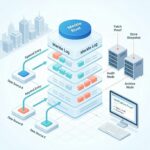
- TraceCommons – An open-source transparency and provenance infrastructure that uses Merkle-based logs and AI provenance tracking to create verifiable, tamper-evident digital records.

- Transitio – An open, vendor-neutral specification for securely transitioning from cloud computing to Edge AI through modular architecture, hardware abstraction, and human-governed distributed intelligence.

- The Transparent Food Project – An open-source specification for building transparent food supply-chain systems that detect hidden import pathways, analyze origin data, and reveal the journey behind every product.

- TrustLens – An open-source AI-powered platform that helps sellers prepare fully transparent, disclosure-ready property listings before going to market.

- TruthInBilling – An open-source, privacy-preserving billing transparency platform that verifies and analyzes real-world invoices to detect systemic discrepancies between advertised pricing and actual charges. AGPLv3

- TruthLayer – An open-source product intelligence system that delivers verifiable, mathematically grounded comparisons of products using transparent and reproducible data analysis.

- United Care Fund – A cooperative healthcare funding framework that helps businesses work together to reduce healthcare costs and provide better, more affordable coverage.

- ValueGrid – An open-source property intelligence platform that provides transparent valuation models, environmental risk analysis, and a publicly verifiable National Property Ledger.

- VectorIDE – A fast, secure, cross-platform open-source IDE with end-to-end encrypted collaboration and powerful development tools designed to help developers code confidently.

- Veridion System – Infrastructure for trusted signals that transforms fragmented, multi-source data into validated, explainable, and auditable intelligence through adversarial validation and structured signal fusion.

- Wattonomy – An open-source energy decision intelligence platform that models real-world utility system costs, incentives, and long-term performance to deliver transparent, data-driven recommendations.
A Specification Branding License can be purchased for the basket of AI Infrastructure Specs
Purchasing a Specification Basket grants the purchaser a perpetual license for attribution-free use of every existing specification included within that category, as well as any additional specifications subsequently added to the category.
Specification Basket Pricing:
| Network Size | # of Users | One-Time Price | Duration |
| Small | 1 – 20 | $25,000,000 | Perpetual License |
| Medium | 21- 1000 | $55,000,000 | Perpetual License |
| Large | 1001 + | Custom Quote | Custom Quote |