

The open source community has always operated with a kind of built-in evolutionary advantage: it doesn’t wait for permission, and it doesn’t rely on a single point of control. Instead, it constantly scans for weaknesses, whether technical limitations, governance issues, or attempts at restriction, and responds in real time. When a project drifts from its original intent or introduces friction, contributors don’t just complain; they fork. That act of forking is more than duplication, it’s a declaration that innovation cannot be locked in place. Every fork becomes an experiment, and the best ideas naturally rise through adoption rather than enforcement.
This same dynamic applies when proprietary pressures attempt to close what was once open. The community has a long history of countering restrictive licenses, paywalls, or platform lock-ins by rebuilding alternatives that are not only free, but often better aligned with user needs. Open source doesn’t just react defensively; it adapts offensively. It anticipates where control might concentrate and distributes capability ahead of time. In doing so, it ensures that no single entity can permanently dominate the direction of technology.
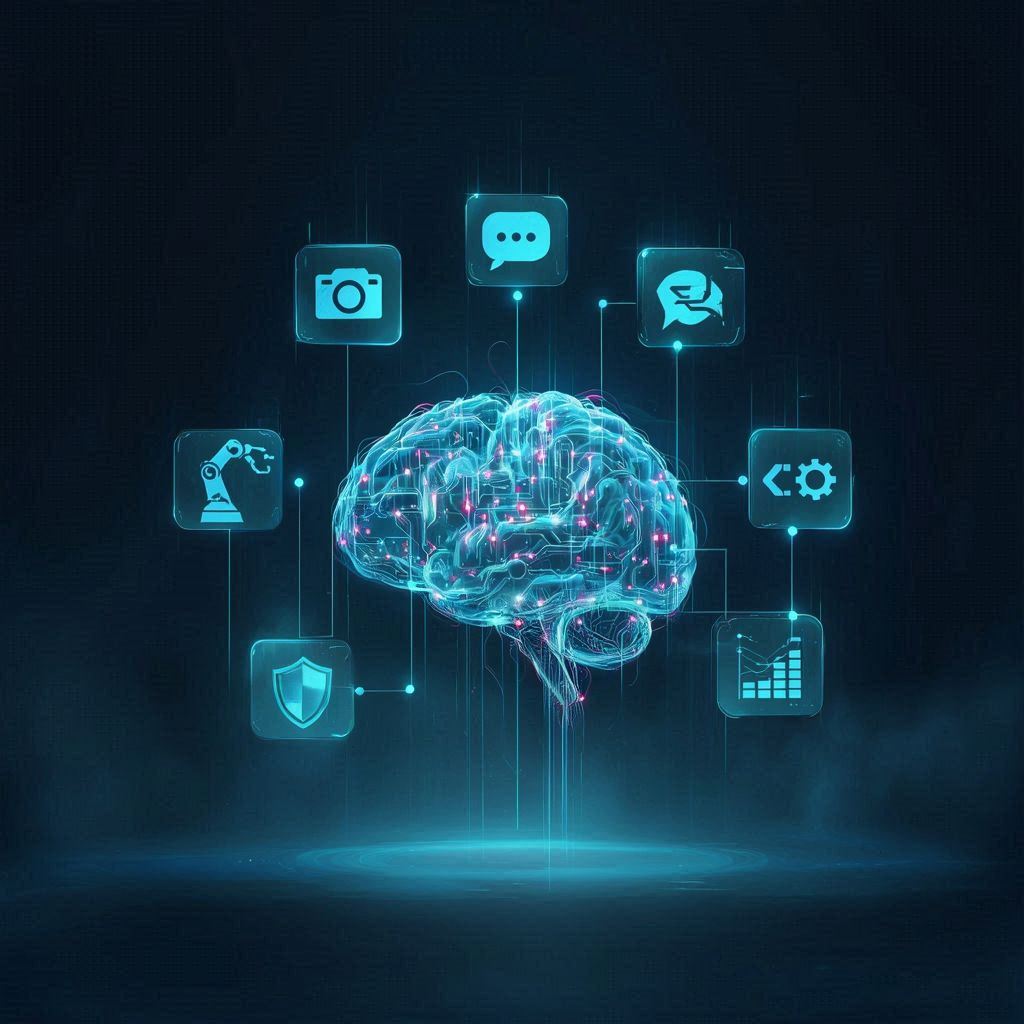
Looking forward, the foundation being laid is one where free software and freely available code are not just options, they are the default infrastructure. On top of that foundation, personalized AI agents will emerge as the true interface layer between humans and technology. These agents won’t be one-size-fits-all products; they’ll be specialized, adaptable systems shaped around individual goals, workflows, and preferences. The real value will no longer lie in owning software, but in how effectively it is composed, tuned, and orchestrated, otherwise known as Spec Driven Development (SDD).
As a result, the economic model shifts. People won’t primarily earn by selling software licenses, but by helping others navigate and customize an ever-expanding ecosystem of tools. Guidance, curation, and personalization become the core services, whether that’s configuring a stack of open tools, training a personal AI agent, or recommending the right combination of components for a specific need. In a world where the building blocks are free, expertise becomes the currency, and the ability to translate possibility into practical, working systems becomes the most valuable skill of all.