
Transparency is not just an ideal, it’s a structural requirement for any society that hopes to remain stable, fair, and genuinely civilized. When systems operate in the open, accountability becomes unavoidable. Decisions can be traced, actions can be evaluated, and trust can be built on verifiable truth rather than blind faith. For too long, fraud, waste, and abuse have thrived in the shadows, shielded by complexity, obscurity, and intentional opacity. These hidden layers create environments where manipulation flourishes and responsibility dissolves. But when exposed to scrutiny, when the inner workings are visible to all, those same systems are forced to evolve or collapse. Sunlight, as the saying goes, is the best disinfectant, and in the context of governance, finance, and technology, that principle has never been more relevant.
The rise of open-source methodologies offers a powerful path forward. By making protocols publicly accessible and auditable, communities can collectively verify not only how systems operate but also who benefits from them. Transparency at this level goes beyond simply “following the money”, it reveals the networks of influence, the decision-makers behind the scenes, and the incentives driving outcomes. When anyone can inspect the code, review the data flows, and challenge inconsistencies, the balance of power begins to shift. It moves away from centralized control and toward a more distributed, participatory model where knowledge is shared and oversight is continuous.
This collective visibility has the potential to address many of the systemic issues that have plagued humanity for generations. Corruption loses its footing when it cannot hide. Inefficiency becomes obvious when processes are exposed. Even trust itself transforms, from something assumed or enforced into something earned and maintained through openness. The open-source community, by its very nature, embodies this philosophy. It thrives on collaboration, peer review, and shared ownership of progress. If these principles are extended beyond software into broader societal systems, they could redefine how institutions operate and how individuals engage with them.
Ultimately, transparency is not about perfection, it’s about alignment. It ensures that actions reflect intentions and that systems serve the people they are meant to support. A society built on open frameworks and visible processes is far more resilient because it can self-correct in real time. With enough collective participation and commitment to openness, the very structures that once enabled exploitation can be transformed into safeguards against it.
All specifications are released under the GNU Affero General Public License v3.0 or later (AGPL-3.0+) and are available for free use, provided the attribution requirements under Section 7 of the license are maintained. Organizations that require attribution-free deployment may obtain a Specification Branding License. Licensing fees are determined based on the specification category, the intended deployment scope, and the size of the network or environment in which the specification is implemented.
The Open Arsenal specifications are designed as foundations, not disposable products. They define reusable architectures that can be implemented, extended, combined, modified, and adapted to changing technologies and real-world requirements. Modular design allows individual capabilities to evolve without forcing an entire system to be replaced, while vendor-neutral architecture helps preserve independence and interoperability.
Long-term infrastructure requires long-term thinking. Open-source licensing encourages examination, reuse, modification, and collaboration, while perpetual commercial licensing can provide organizations with lasting rights to deploy a specification without making foundational infrastructure dependent on recurring licensing renewals. The objective is to create technological foundations that can remain useful as companies, technologies, platforms, and business models change.
Transparency specifications created by Roxanne Ardary:
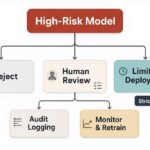
- AuthenticAI – An open specification for building transparent, trustworthy, and accountable artificial intelligence systems with user-focused governance and compliance features.

- Beekeeper’s Guide to the Universe – An open-source AI-powered ecological intelligence platform for designing, simulating, and sustaining pollinator ecosystems through bee biology, habitat engineering, climate modeling, and visual ecological analysis.

- Business Commons – A modular, AI-assisted specification for shared resources, independent enterprise, local marketplaces, cooperative models, and connected local economies.

- Cognimatrix – The Foundation for Distributed Machine Intelligence, providing a modular architecture for building, connecting, governing, and commercializing datasets, knowledge units, models, agents, provenance, and intelligent workflows.

- CommonsTruth – An open-source anonymous reporting platform for documenting and exposing deceptive advertising and consumer fraud through structured, evidence-based submissions.

- EdgeLens – An open specification for privacy-preserving, edge-first computer vision systems that enable local processing of sensitive visual data while supporting federated, community-driven model improvement.

- EnerAgent – AI energy management platform optimizing usage, forecasting, and sustainability. AGPLv3

- Feedback Living Model – A systemic intelligence framework that models markets as evolving feedback organisms to analyze structural fragility, capital flows, and cascade-driven economic behavior.

- FoodLab – An open-source transparency database tracking food brands, detected chemicals, scientific studies, and related legislation to provide fully traceable, evidence-based insight into food safety. AGPLv3

- ForgeAtlas – A lifecycle-aware engineering intelligence platform that helps designers and builders create longer-lasting, repairable products through durable design optimization, local-first material sourcing, and real-time market intelligence.

- GapVision – Platform tracking and visualizing compensation data to highlight and close gender pay gaps with AI analytics. AGPLv3

- GitPatrol – An open-source AI that enforces license compliance, tracks attribution, and ensures minimal, token-efficient files in Git repositories. AGPLv3

- GreenMile – An open-source CO₂e calculator for measuring, tracking, and reducing travel-related carbon emissions, with a focus on Scope 3 business travel analytics and reporting. AGPLv3

- KnowledgeContinuum – A temporal entity resolution system that models knowledge as a continuously evolving, versioned identity graph across time.

- InstantIndex – Privacy-first, locally hosted search engine with adaptive AI learning and optional reward modules. AGPLv3

- Ledger Watch — An open-source platform that structures publicly available financial data into a transparent, verifiable system for analyzing market activity, relationships, and patterns. AGPLv3

- LocalAI Builder – An open source AI procurement and recommendation system that helps users discover, compare, and select models, datasets, specifications, software, and hardware for building locally hosted AI.

- MediLens – An open-source, real-time global database tracking pharmaceutical recalls, medication safety, and company accountability. AGPLv3

- MIT Horizon – An open-source research intelligence platform tracking MIT projects, funding, patents, publications, corporate partnerships, and public benefit outcomes with full transparency.

- ModelTrade – A federated AI trade network for publishing, discovering, licensing, buying, selling, reviewing, and rating AI models, datasets, applications, and related AI projects.

- Open_Arsenal – Collection of open source application, database, program, and hardware concepts designed for discovery and reuse.

- OpenBid Ledger – An open source specification for transparent, auditable digital advertising auctions with visible bidding, immutable records, and modular CPC and Cost Per Impression Unit (CPIU) functionality.

- OpenDiagnose – A modular, AGPL-3.0+ diagnostic system that turns real-world visual input into structured, actionable repair guidance through interchangeable hardware, AI models, and knowledge packs.

- OpenGrievance – An open-source, privacy-first platform for securely documenting consumer complaints, detecting patterns of corporate misconduct, and supporting transparency, accountability, and potential legal action.

- OpenHighway – An open-source civic transparency platform that tracks highway funding from revenue sources through contracts and spending to final infrastructure delivery.

- OpenLabor Model – An open-source framework that converts complex compensation structures into transparent, comparable economic value by normalizing wages, benefits, taxes, and cost of living into a real effective hourly rate. AGPLv3

- OrbitReasoning Core – An AGPL 3.0+ autonomous AI Network Operations Center that uses simulation-first intelligence to compute outcomes, detect anomalies, and manage satellite and aerospace systems with governed, explainable decision-making.

- PayInsight – An open-source, privacy-first job platform that uses AI to provide transparent salary insights, cost-of-living analysis, and fair compensation guidance for job seekers and employers.

- PersonaLock – An open source, identity-first AI platform that preserves a user’s authentic voice, reasoning, values, and evidence standards through explainable governance, integrated research and writing capabilities, and drift-resistant identity modeling.

- PersonaVenture – An open-source AI platform that helps individuals turn their unique skills, talents, hobbies, and passions into successful micro-businesses with the guiding principle AI + You = Success. AGPLv3

- PopMuseData – AI-driven analytics mapping relationships between birthrates and creativity globally. AGPLv3

- PureScript – An open-source encrypted document writer designed to keep digital writing private, secure, and readable only by authorized humans.

- PurposeHarness – A universal, modular AI harness constructor that transforms natural-language intent into purpose-built, adaptable harnesses with integrated legal, consent, governance, and human-in-the-loop controls.

- RecordMesh – RecordMesh is a modular AI platform that converts jurisdiction-aware legal intent into real property instruments and county-ready recording packets for real estate filing systems.

- RegistryGuide – An open-source vehicle registration, title management, and legal compliance platform that combines AI-powered assistance, machine-readable law modules, and optional blockchain-backed title verification to help jurisdictions build trust into every title transfer.

- SafeMeds Index – An open-source global pharmaceutical intelligence platform focused on medication price transparency, manufacturer tracking, recall monitoring, and evidence-based therapeutic alternatives.

- Shared Infrastructure Fund – An open platform for transparently funding and verifying physical scientific infrastructure through accountable, milestone-based community investment.

- ShellFinder – Forensic AI tracking OTC companies, founders, subsidiaries, and assets to uncover hidden ownership structures. AGPLv3

- ShellScan – Platform mapping corporate ownership networks, shell companies, and financial institutions with AI-driven analytics. AGPLv3

- SignalCredit API – A modern open-source, consent-driven credit computation API that generates transparent, explainable financial scoring on demand without storing permanent credit files. AGPLv3

- SignalTruth – An open-source, AGPL 3.0+ commercial real estate intelligence system that transforms public records into a structured, confidence-scored property graph with ownership, market, legal, and completeness analysis.

- The Better Path – An open source AI specification that connects the Stations of the Cross with the Hero’s Journey to help people find a meaningful path forward.

- Therovia – A global AI-powered treatment intelligence system designed to discover, compare, and organize treatment options, clinical trials, experimental therapies, and potential treatment access pathways from around the world.

- TollExchange – An open-source platform that unifies fragmented toll systems into a single interoperable network with a universal account and clearinghouse settlement layer.

- UniversalPegFramework – Modular protocol for pegging cryptocurrencies or fiat assets to reference assets with governance and treasury integration. AGPLv3

- UrbanLayer – An open-source municipal infrastructure platform for zoning, permitting, GIS analysis, and AI-powered regulatory automation.

- Vetora – An open-source AI veterinary health platform that organizes animal health records, analyzes symptoms and risks, compares medications and side effects, and provides early insight to support better veterinary care.

- VINGuard – An open-source VIN-based vehicle transparency platform that aggregates accident history, title status, ownership records, and AI-driven fraud detection to help buyers make fully informed used car decisions.

- WorkBench – An open-source creator platform for collaboration, secure project management, and transparent monetization with micro-royalties and multi-currency support.
A Specification Branding License can be purchased for the basket of Transparency Specs
Purchasing a Specification Basket grants the purchaser a perpetual license for attribution-free use of every existing specification included within that category, as well as any additional specifications subsequently added to the category.
Specification Basket Pricing:
| Network Size | # of Users | One-Time Price | Duration |
| Small | 1 – 20 | $30,000,000 | Perpetual License |
| Medium | 21- 1000 | $90,000,000 | Perpetual License |
| Large | 1001 + | Custom Quote | Custom Quote |