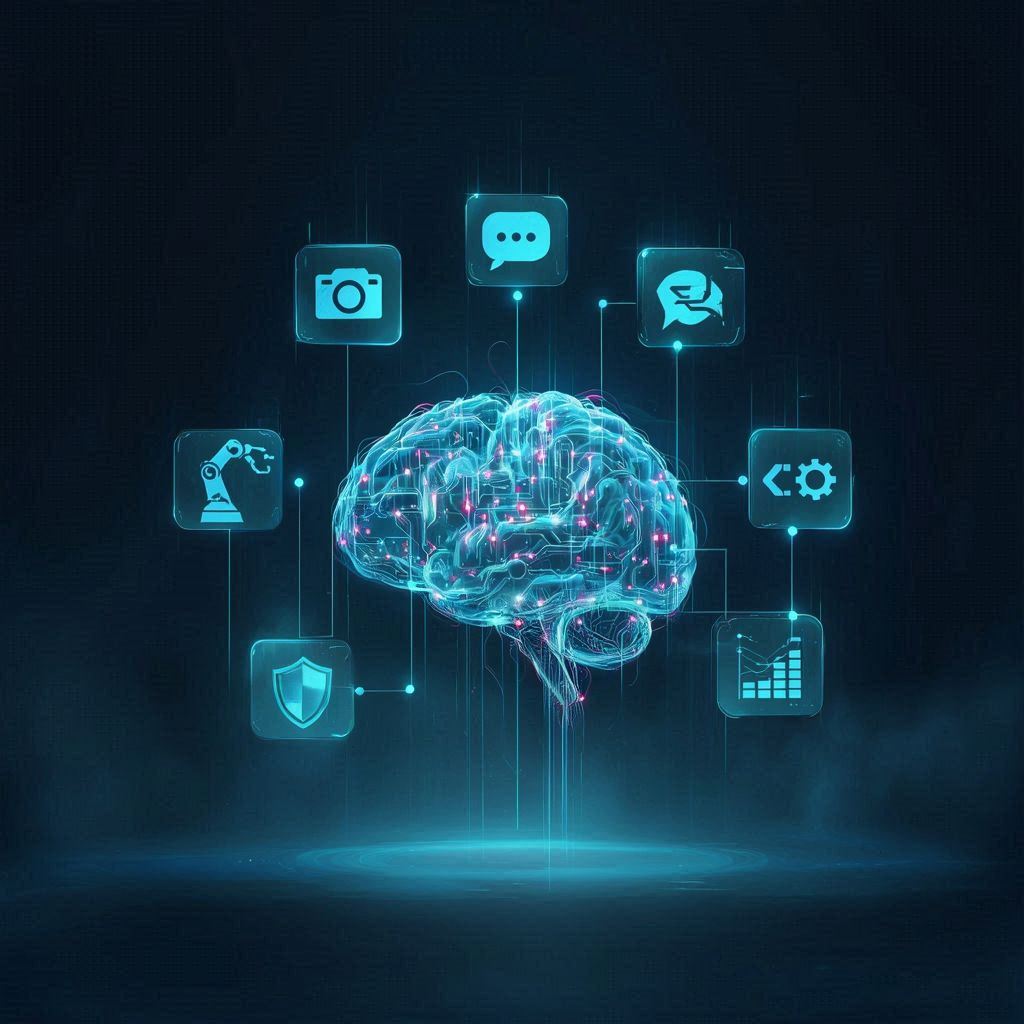
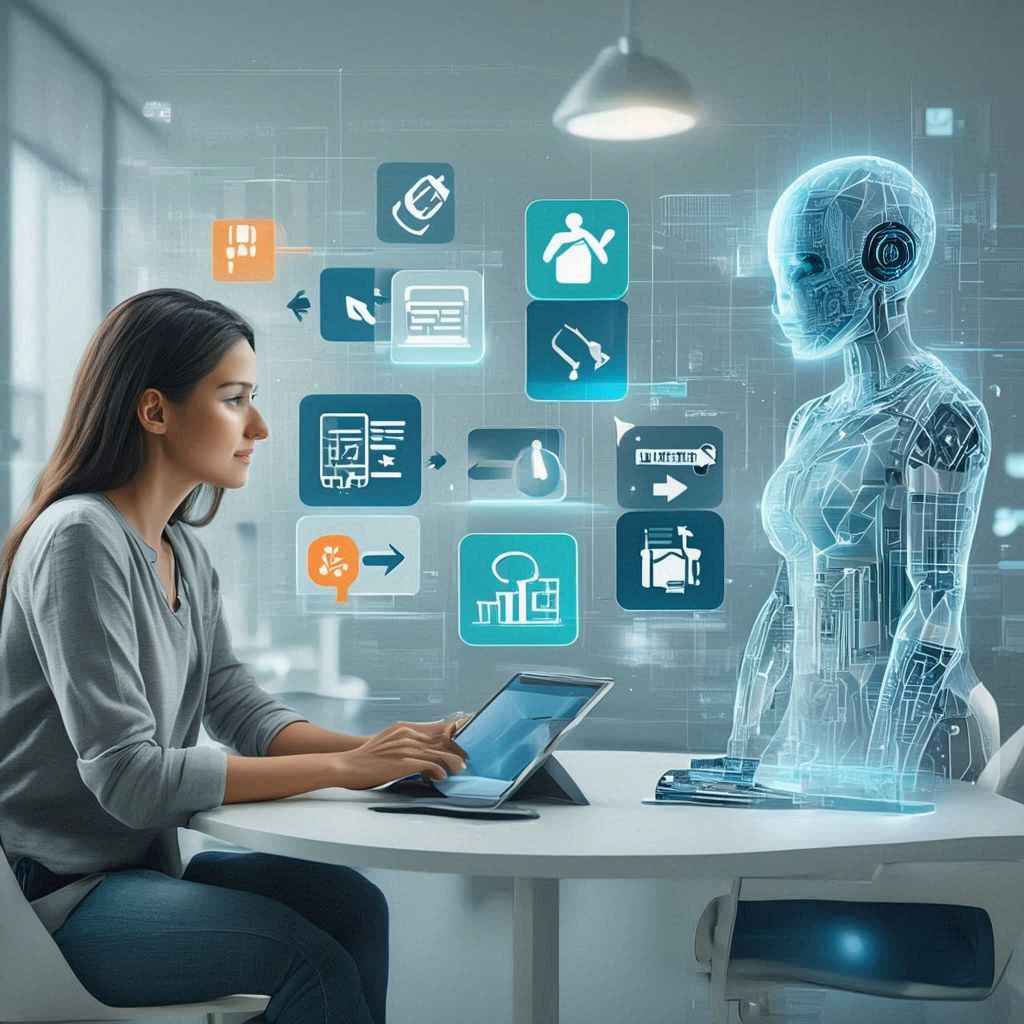

The future of software programming is increasingly shaping into a human-in-the-loop coordination model, where AI agents handle large portions of generation, synthesis, and optimization, while humans remain the guiding force for intent, judgment, and accountability. In this model, programming is no longer primarily about manually writing every line of code, but about orchestrating systems of intelligent agents that can rapidly produce, test, and refine solutions. The human becomes the architect of goals and constraints, while AI systems become the executors that explore solution spaces at scale and speed far beyond traditional development workflows.
However, even as AI agents become more capable, accountability remains firmly anchored to humans. Every decision—especially those affecting users, systems, data, and societal impact—must have a clear chain of responsibility. AI can propose, simulate, and even implement, but it cannot own consequences. This shifts software engineering toward a governance-driven discipline, where verification, oversight, auditing, and ethical review are just as important as coding itself. In practice, this means new layers of transparency: logs of agent decisions, explainable reasoning paths, and human approvals for critical deployments become standard rather than optional.
At the same time, the rise of freely available code and open ecosystems accelerates innovation. As code becomes more accessible and modular, the competitive advantage shifts away from ownership of implementation and toward the originality of ideas and the quality of execution. Humans take the lead in defining what should be built, why it matters, and how it should serve real-world needs. AI then acts as a multiplier—rapidly prototyping variations, optimizing performance, and bridging gaps between concepts and deployable systems.
Ultimately, software development evolves into a collaborative intelligence system. Humans provide direction, creativity, and ethical grounding, while AI agents expand capacity and speed. The most successful future developers will not be those who write the most code by hand, but those who can best coordinate intelligent systems, evaluate outcomes critically, and steer innovation toward meaningful, responsible outcomes.